
Fort Mill Landscaping
Experts in Lawn Maintenance, Tree and Shrub Care, and Garden Design and Installation, and More. Serving Fort Mill, South Carolina.

Fort Mill Landscaping ServicesCALL (803) 889-1118 FOR A FREE QUOTE NOWAre you looking for the best professional landscaping services in Fort Mill, SC? We are your premier partner for top-notch landscaping services serving the Fort Mill area. Our dedicated team of experienced professionals is committed to transforming your outdoor spaces into picturesque havens of beauty and functionality.
Call us now at (803) 889-1118 to get started. 
We take pride in offering a comprehensive range of services, including
We've delighted hundreds of customers with our services, beautifying their properties and giving their neighbors something to be jealous of. Our team of experienced landscapers are ready to serve you with the same quality and professionalism that our clients have come to expect. Looking to start a new project? Complete the free quote form on this page or or call us now at (803) 889-1118 to speak with someone immediately. |

|
|

|

Did You Know?Well-maintained landscaping can increase the value of your home by up to 15%. |

|
Our Lawn Maintenance service includes mowing, edging, and trimming to keep your lawn looking neat and healthy. A weekly or biweekly routine is suitable for most lawn care.
|
Our Garden Design and Installation service takes care of various plants, flowers, and shrubs for your garden projects to enhance the aesthetics of your property.
|
Our Tree and Shrub Care service includes pruning, trimming, and overall care to maintain the health and appearance of your trees and shrubs. We're here to handle all of your tree service needs.
|
|
Our Hardscape Construction service includes the building of non-living elements of your property, including paving, patios, pathways, retaining walls, and garden borders.
|
Our Landscape Lighting service designs and installs outdoor lighting to enhance the visual appeal of your landscape while providing functional illumination to improve the safety of your property.
|
Our Lawn Fertilization and Weed Control service applies beneficial fertilizers and treatments to promote healthy lawn growth while preventing or treating harmful weeds.
|
|
Our Seasonal Cleanup service includes clearing debris, leaves, snow, and other seasonal maintenance tasks to keep your property's landscape tidy.
|
Our Mulching and Ground Cover services including adding and replacing mulch or ground cover to improve soil health, control weeds, and enhance your property's overall appearance.
|
Not sure what to do next? We can provide a consultation to assess your needs and provide a custom-tailored landscape plan to achieve your vision.
|

|
Proper Watering Practices
Maintaining a healthy landscape begins with proper watering practices. It's essential to water your plants, trees, and lawn effectively to ensure optimal growth and vitality. Careful hydration is a necessity for good lawn care. Overwatering can lead to root rot, while underwatering can result in stress and dehydration. Consider installing an efficient irrigation system tailored to the specific needs of different plants. Watering in the early morning or late afternoon minimizes water loss due to evaporation, promoting efficient water utilization. Regular Soil Testing and Amendments The foundation of a healthy landscape lies in the soil. Regularly testing the soil's pH and nutrient levels helps identify deficiencies and allows for targeted amendments. Adding organic matter, such as compost, enhances soil structure, fertility, and water retention, and should be considered routine for most lawn care. Healthy soil promotes strong root development, nutrient uptake, and overall plant resilience against diseases and pests. Appropriate Plant Selection and Placement Choosing the right plants for your climate and soil conditions is crucial for a thriving landscape. Rock Hill, SC is located in Hardiness Zone 8a, according to the 2023 USDA Hardiness Zone Map. Consider factors such as sunlight, soil type, and water availability when selecting plants. Proper placement based on a plant's sun and shade preferences ensures they receive the ideal conditions for growth. Grouping plants with similar water and sunlight requirements simplifies maintenance and promotes a harmonious aesthetic. 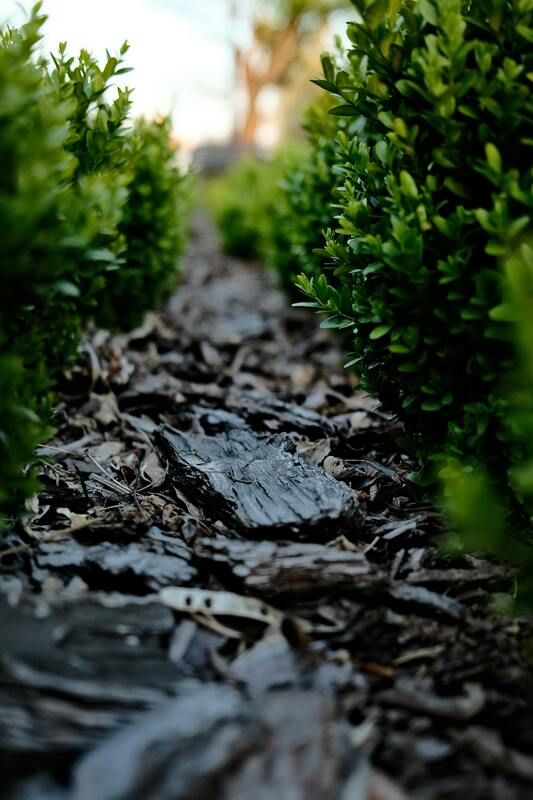
Fertilization with Precision
Fertilizing your landscape requires a strategic and precise approach. Avoid over-fertilization, as excess nutrients can harm plants and contribute to water pollution. Conduct soil tests to determine nutrient levels and apply fertilizers accordingly as part of routine lawn care. Consider slow-release fertilizers for sustained nutrient availability. Organic fertilizers, such as compost or well-rotted manure, contribute to soil health while providing essential nutrients for your landscaping. Adequate Air Circulation Ensuring proper air circulation within your landscape is crucial for preventing fungal diseases and promoting overall plant health. Avoid overcrowding plants and provide sufficient spacing to allow air to circulate freely. Prune branches that impede air movement, especially in dense plantings. Good air circulation reduces humidity levels, minimizing the conditions favorable for disease development. 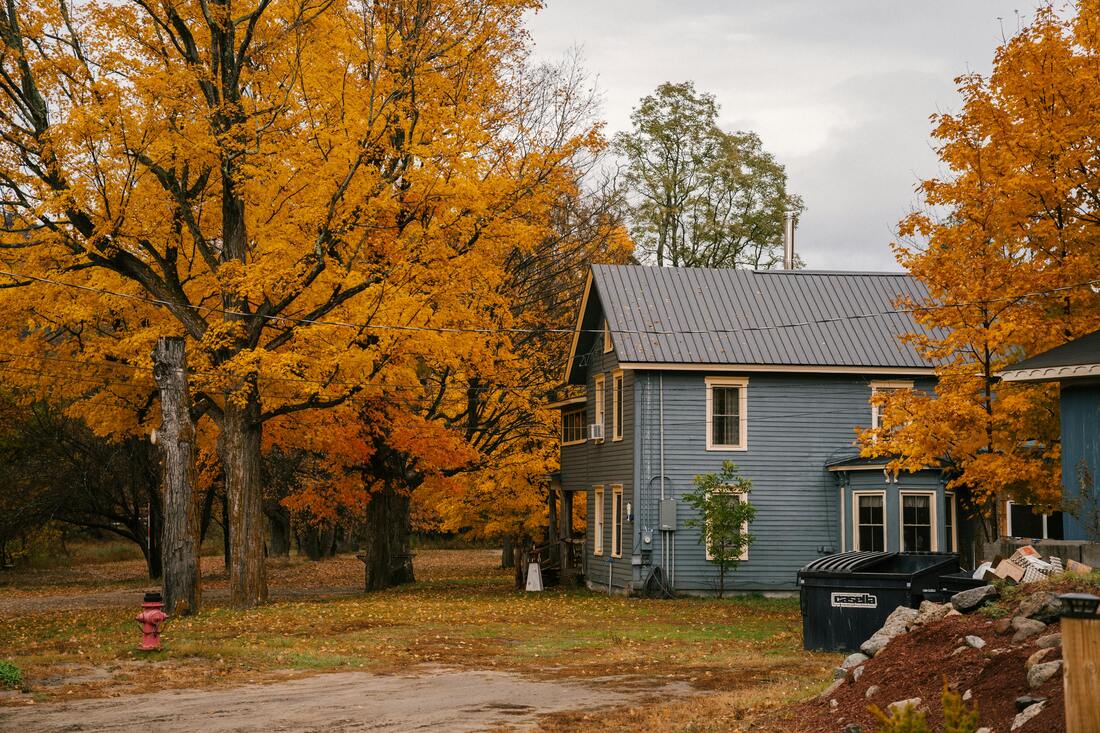
|
Mulching for Moisture Retention and Weed Control
Mulching is a multifaceted practice that contributes significantly to landscape health. Applying a layer of organic mulch around plants helps retain soil moisture, suppresses weed growth, and moderates soil temperature. Mulch also adds organic matter to the soil as it decomposes, enriching the environment for beneficial microorganisms. Regular Pruning and Trimming Pruning and trimming are essential tree services for maintaining the shape, size, and health of trees, shrubs, and flowering plants. Regular removal of dead or diseased branches prevents the spread of diseases and encourages new growth. Proper pruning also improves air circulation, reducing the risk of fungal infections. Tailor pruning schedules to the specific needs of each plant, considering factors such as bloom time and growth habits. Integrated Pest Management (IPM) Implementing Integrated Pest Management (IPM) practices is a holistic approach to pest control that minimizes the use of chemical pesticides. Monitor plants regularly for signs of pests, and encourage natural predators like beneficial insects. When intervention is necessary, choose targeted and environmentally friendly pest control methods. IPM promotes a balanced ecosystem, reducing the risk of pest outbreaks and minimizing the impact on beneficial organisms. 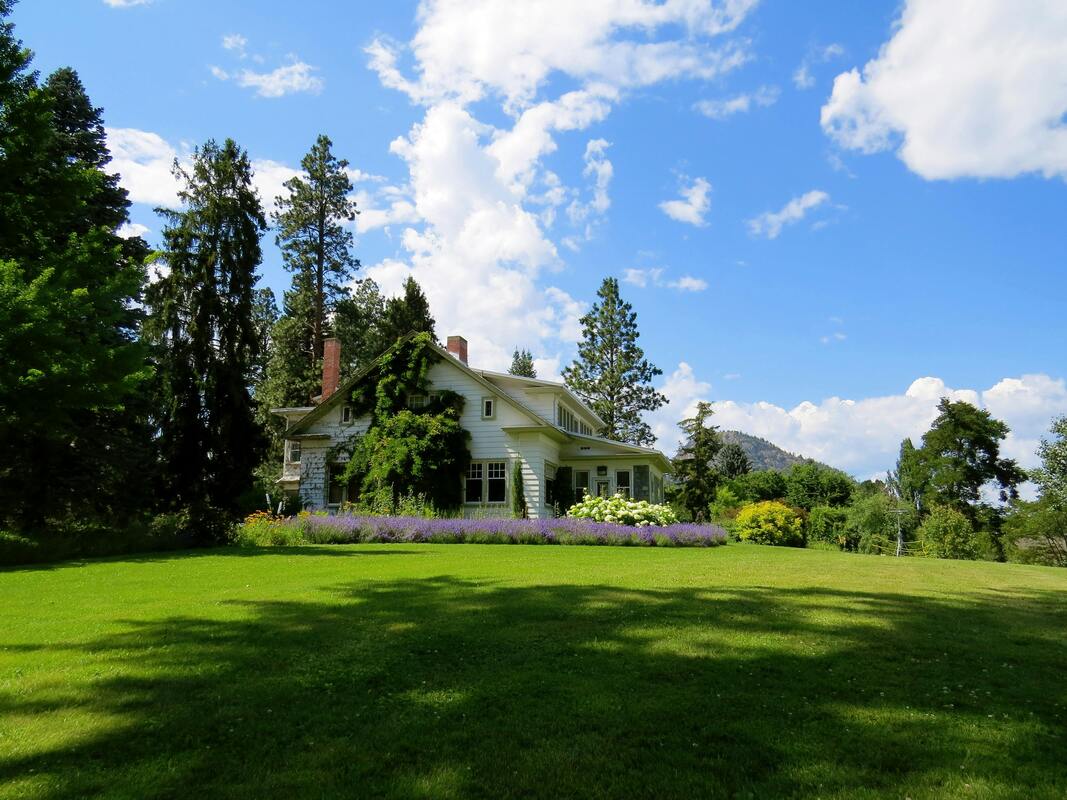
Seasonal Cleanups and Debris Removal
Conducting regular seasonal cleanups is vital for removing debris, fallen leaves, and dead plant material. This practice prevents the buildup of potential disease vectors and provides a clean slate for new growth. Rake and remove leaves promptly, especially in fall, to prevent diseases like powdery mildew. Clearing debris also improves the aesthetic appeal of your landscape. Consistent Monitoring and Adaptation Healthy landscaping requires ongoing monitoring and adaptation to changing conditions. Regularly inspect plants for signs of stress, disease, or pest infestations. Adjust watering schedules based on weather conditions, and be proactive in addressing issues as they arise. Timely intervention prevents problems from escalating and promotes the long-term health of your landscape. |

LocationFort Mill, South Carolina
|
About UsFort Mill Landscaping is a local landscaping company serving the Fort Mill, SC area. We offer expert services at affordable prices. We pride ourselves in providing timely, high-quality landscaping services, and are sure to make your property look great and stay healthy in every season.
Our services include Lawn Maintenance, Garden Design and Installation, Tree and Shrub Care, Hardscape Construction, Landscape Lighting, Lawn Fertilization and Weed Control, Seasonal Cleanups, Mulching and Ground Cover Installation, and Consulting and Planning. |